

Becoming a Culturally Considerate Leader…
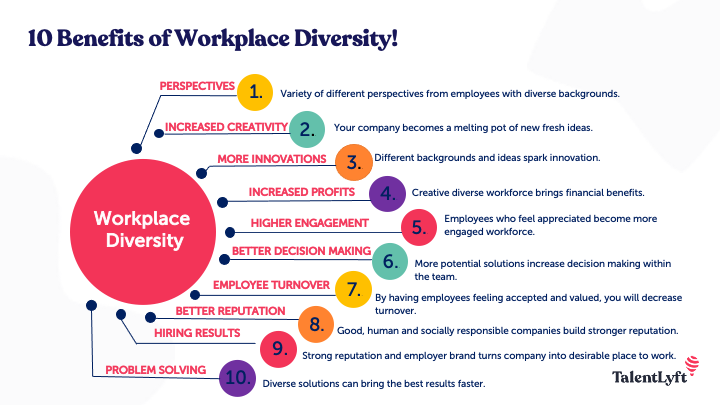
The world is becoming ever more connected meaning that in our working lives we are exposed to an increasing variety of people and cultures. With this increased connectivity we are ensuring more equal representation in decision making positions and can therefore develop a world which is inclusive of people from all backgrounds, races, genders and sexualities.
However, this poses a new challenge to leaders. Whilst it is not expected that leaders must understand the norms, values and practices of ALL people, there are skills which can be developed amongst leaders to ensure their leadership style transcends and respects cultural nuances.
This section of the Leadership Global Skills Course will act as an introduction to this comprehensive topic.
Role of Cultural Intelligence
Cultural Intelligence (CQ) is an individuals ability to easily and effectively adapt their views and behaviours cross-culturally: where culture is an overarching term that includes nuances varying from nationality, to ethnicity, to faith, to organisational culture. The skill of adapting across different cultures enables effective and quality leadership in an increasingly globalised world.
The Four Factor Model of CQ
This short video overviews the Four Factor Model of CQ which is discussed in further detail below.
When interacting with someone of your own or of similar culture you are drawing upon a host of mostly subconscious information that will help you to understand social cues and formalities. The Four Factor Model breaks down CQ so that individuals and leaders can better identify the areas within themselves which limit their ability to interact affectively with individuals of different cultures. Whilst each quadrant stands alone, each must be developed alongside one another so as to avoid the development of cultural blind-spots.
The four factors of CQ are motivational CQ, cognitive CQ, metacognitive CQ, and behavioural CQ. Click through the tabs below to learn more about each…
1.Motivational CQ – The motivational factor of CQ refers to the leader’s level of interest, drive, and energy to adapt cross-culturally. This refers to whether or not you have the confidence and drive to work through the challenges and conflict that often accompany cross-cultural work.
Key question to consider: What’s my level of confidence and motivation for this cross-cultural situation? If it’s lacking, what can I do to increase it?
2. Cognitive CQ – Cognitive CQ is the knowledge dimension of cultural intelligence. It refers to the leader’s level of understanding about culture and culture’s role in shaping the way to do business and interact with others across cultural contexts.
Key question to consider: What cultural understanding do I need for this cross-cultural situation?
3. Metacognitive CQ – The metacognitive factor of CQ refers to the leader’s ability to strategize when crossing cultures. This involves the ability to empathise and consider the perspectives of those from other cultures.
Key question to consider: What do I need to plan in order to work cross-culturally effectively?
4. Behavioural CQ – Behavioural CQ, the action dimension of CQ, refers to the leader’s ability to act appropriately in a range of cross-cultural situations. This includes when to adapt behaviours and, as importantly, when not to adapt.
Key question to consider: What behaviors, such as verbal and nonverbal communication, should I adapt for this cross-cultural situation?
Feedback Loop…
You can consider these Four Factors in a cycle, each representing a new phase of improving your cultural intelligence.
Motivational CQ drives you to pursue an increased cultural understanding. Cognitive CQ is where you’ll develop your knowledge. Metacognitive CQ is then the processing of that knowledge in given diverse situation. This can then be applied in the behaviour CQ phase allowing you to engage in flexible and effective leadership.
The cycle then continues as you reflect on a given situation in an attempt to ever develop your CQ and ability to participate in culturally diverse settings.
Having a Culturally Diverse Workforce
This video highlights some of the challenges Fijian sportspersons may face when working overseas.
- How might this experience be reflected across other cultures working abroad as a minority?
- With an understanding for this how might you alter your leadership style to best support new staff from a minority culture?
Leadership Structures Across the World
The leadership structure that best fits an organisation can vary depending on the society and traditions between different nations.
Effective leadership requires strong perceptions of a leader by their followers or staff. This perception is driven by their perceived attributes of personality characteristics, skills and behaviours. For this reason, if a society follows a different social hierarchy or structure, whereby leaders and their admirable traits are different, then you can also expect the professional structures to vary.
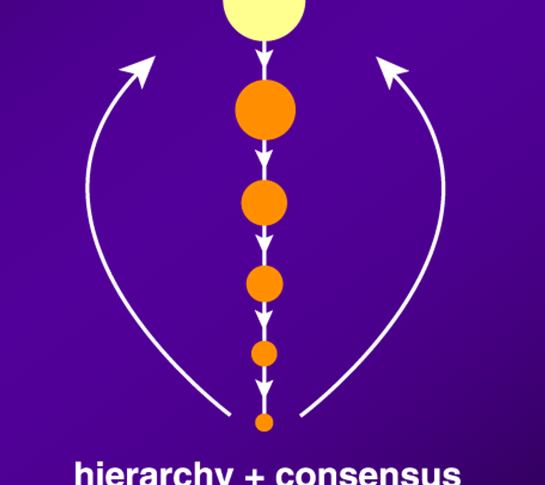
Germany – There is a clear chain of command in each department, and information and instructions are passed down from the top. However, German management isn’t exclusively autocratic: while the vertical structure in each department is clear, considerable value is placed on consensus.
Accordingly, German managers motivate staff by showing solidarity with them in following procedures. They work long hours, obey the rules and, though expecting immediate obedience, insist on fair play. For their part, German employees welcome close instruction: they know where they stand and what they are expected to do.
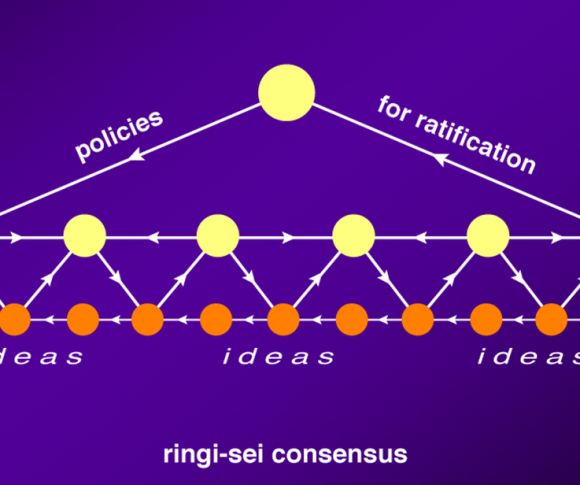
Japan – Japanese top executives have great power in conformity with Confucian hierarchy, but actually have little involvement in the everyday affairs of the company. On appropriate occasions they initiative policies which are conveyed to middle managers and rank and file. Ideas often originate on the factory floor or with other lower level sources. Signatures are collected among the workers and middle managers as suggestions, ideas and inventions make their way up the company hierarchy. Many people are involved. Top executives take the final step in ratifying items which have won sufficient approval.
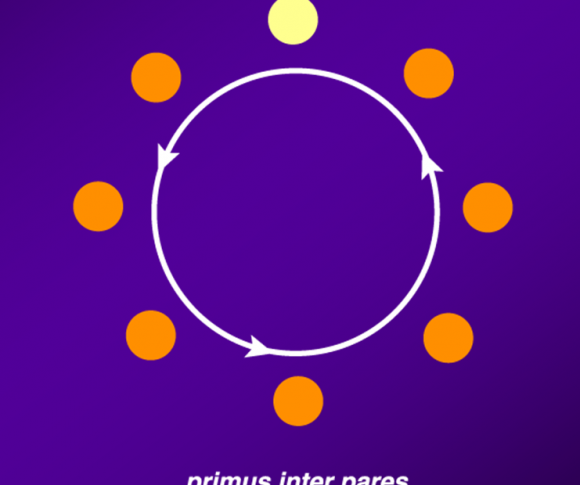
Sweden – The Swedish concept of leadership differs considerably from other European models. Like Swedish society itself, enterprises are essentially ‘democratic’. There will be fewer layers in a Swedish firm than there would be in France or Germany, and the manager is generally accessible to staff and available for discussion: in fact, there is a Swedish law which stipulates that important decisions must be discussed with all employees before being implemented.
Leadership in Fiji
Watch this exclusive presentation by Leadership Fiji as they explore the development of Fiji’s leadership systems. During the presentation consider how globalisation has impacted Fiji’s leadership structures over the last 100 years.
Question to Consider:
How does Fiji’s leadership structures differ to those of your own country and what might be the reasons behind that?