

Fiji’s political history has certainly not been simple. Major political events include the shifting from the indigenous old ways of land governance to being ceded to Queen Victoria in 1874 to be part of the commonwealth, as well as the resurgence of patriotism that led to the day of independence in 1970 where they broke away from this very rule. Abrupt moments in history like these born from tensions between the old and the new made Fijian politics volatile, with many questions about identity and rule unanswered and integral issues within society not dealt with.
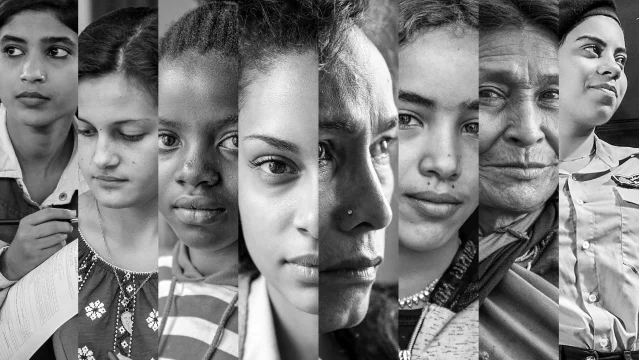
One of the unfortunate collateral affects of a colonial history and specifically the intentional influx of a the Indian demographic into Fiji by the British is the unresolved differences between the indigenous and Indo-Fijian demographics. Combined with a strong loyalty to concepts of exclusive right to land for indigenous Fijians in the ‘vanua’ and significant cultural and religious differences, Fijians of Indian descent have had a historic battle to gain equal rights and indeed to call themselves truly ‘Fijian’. Underlying tensions can be seen to surface in Fiji’s political history through the multiple coup d’état that have been experienced, the 1987 and 2000 coups disposing of a primarily Indo-Fijian supported government.
Although there may well have been a race component to the military involvement, it has been a source for debate as to whether the concept of vanua was used as an excuse by far-right nationalist in the coup d’état of Fiji’s recent history, but whether it was or wasn’t, it stands as a reminder of the rift between the two largest ethnicities in Fiji.
Documentary on Fiji’s Coup History
This documentary from 2006 deals with the issues at the heart of Fiji’s military coup d’états. Although very one sided and arguably relatively biased, it does include some fascinating interviews and offers a really powerful insight to the problems at the heart of the political strife. This particular documentary was released ahead of the general election of 2006 and before the latest of Fiji’s coups. It features interviews with Frank Bainimarama, the current Fijian Prime Minister before he rose to that position.
Watch this interview…
This is a great one to listen to… we had the privilege of speaking with Abdul Shaheed, an individual thoroughly involved in research surrounding the topic of Fijian politics. In this podcast style discussion, Cam poses questions to Abdul in order to gain a thorough and authentic response in the perspective of a Fijian of Indian descent to the coups with Abdul providing thoughtful, articulate and important answers in regards to current context, who the real victims of the coups were and whether the coups were solely driven by race factors.
Current Climate
Today, there is peace in Fiji. Racial tensions are being tackled slowly but effectively by the current government with Frank Bainimarama as Prime Minister. Recent legislation to remove the constitutional discrimatination of Fijians of Indian decent now allows them to be known as ‘Fijians’ first and foremost rather than solely ‘Indo-Fijians’. This is an important step forward in the equal treatment of all citizens in Fiji.
There have also been monumental public declarations from particular communities, standing up to their past and paving the way for the future for all Fijians…
Watch this incredible clip…
We Belong – The Acceptance of Fijians of Indian descent into the i-Taukei system – This clip shows recordings of the huge public declaration for the acceptance of the Indo-Fijian population from the Indigenous communities in the Rewa province. The ceremony conducted offers enormous offerings in the traditional Fijian format and the importance of the event is clear to see on the faces of those who attended.
Some further reading…

Fiji’s Relationship with India
Julia Fogleman – An interesting paper tackling Fiji’s racial divide and relating this to Fiji’s relationship with India as a potential avenue for resolution.
The challenges and opportunity of Diversity
Vijay Naidu – A fascinating report which provides a good summary and background on political and social challenges born from racial tension. It also proposes the potential for opportunity for growth.