
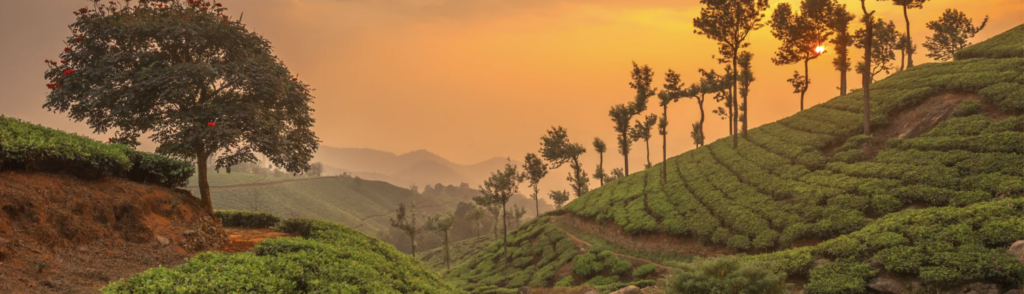
A comparison between India and Fiji
As you can imagine, despite Indo-Fijian culture having firm roots in India; time, distance and cross-cultural encounters have altered certain traits of it and nuances have surfaced because of this. In this section, we directly draw upon aspects that may differ between the culture of Indian descent in Fiji and India itself.
One significant factor for change…

The Caste System
The differences are not always dramatic, cornerstones of culture often remain the same… however the attitudes and certain elements of the cornerstones are different.
“In India, people are more connected but divided at the same time” – Rohan Tailor
The caste system is potentially one of the major social differences between Fiji and India. The caste system is a complex social hierarchy system of which an individual is born into. For centuries, this has dictated much of Hindu religious and social life in India. If you belong to a certain caste, you may not associate with a member of another or share elements of life with them (the system allowing privileges for upper castes while often repressing lower ones).
Within the Indentured Labour system, people would come from many areas of India hailing from a variety of social castes, religious backgrounds, languages… Fiji became a melting pot of many Indian cultures. In India, there is the opportunity to maintain these social structures and behavioural norms but such barriers are not possible in the population and conditions Indian labourers were met with in Fiji.
Nowadays, there would be considered to be more of a modern categorisation of the caste system in Fiji for those of Indian descent, it is far more relaxed and less obvious than India. Marriages across caste structures and religions are far more accepted in the relaxed circumstance of Fiji.
Some further reading…

Indian Caste System
This paper examines the caste system in India and it’s modern implications. It’s a big paper but does a good job of explaining the caste system in detail as well as providing modern context
Demographic Restraints
“Does the caste system survive implantation to soils outside South Asia?” is the big question. This paper uses Fiji as a case study of whether the caste system survives in lands foreign to India.
Watch this interview…
On the topic of cultural comparisons, we had the pleasure of speaking with Rohan, somebody with a fantastic perspective on the subject as someone who was born in India but grew up in Fiji. In this interview with Cam, Rohan articulates what some of the major differences are between Indian culture and Indo-Fijian culture in his opinion. Through observation and experience, he definitely shares some interesting thoughts!
Physical Factors
Some variables inevitably lead to cultural changing. One of those physical factors that immediately forced cultural adaptation for those first Girmitiya settlers in Fiji was Fiji’s climate.
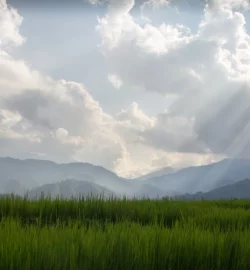
Although language surrounding summer/winter may be used in Fiji, the country essentially has what would be considered a wet and a dry season with weather remaining relatively similar all year round. India on the other hand has four distinct seasons: winter, summer, monsoon season and post-monsoon season (with slight local variation).
This immediately affects clothing choices.
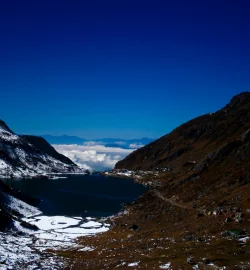
Winter
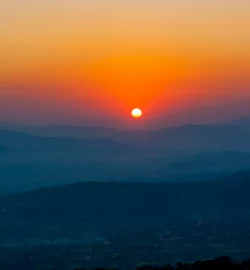
Summer
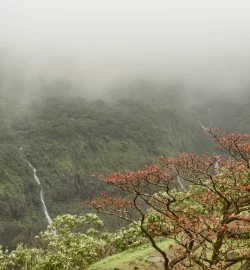
Monsoon
Post-Monsoon
This directly affects food too, certain crops grew in Fiji, some did not… Indian migrants would have to utilise new ingredients and adapt their diet and recipes to incorporate new food sources.
In general, there is a far greater variety of ingredients as far as the Indian style diet is concerned in India itself. After years, the knowledge of how to make particular dishes also shifted in Fiji. The first settlers would bring their direct knowledge of Indian recipes with them, but after the original dishes hadn’t been made in the same way for generations, the knowledge is lost and new recipes become celebrated and revered in a new and thriving tradition.
This model can be applied to much of Indo-Fijian culture.
Panipuri
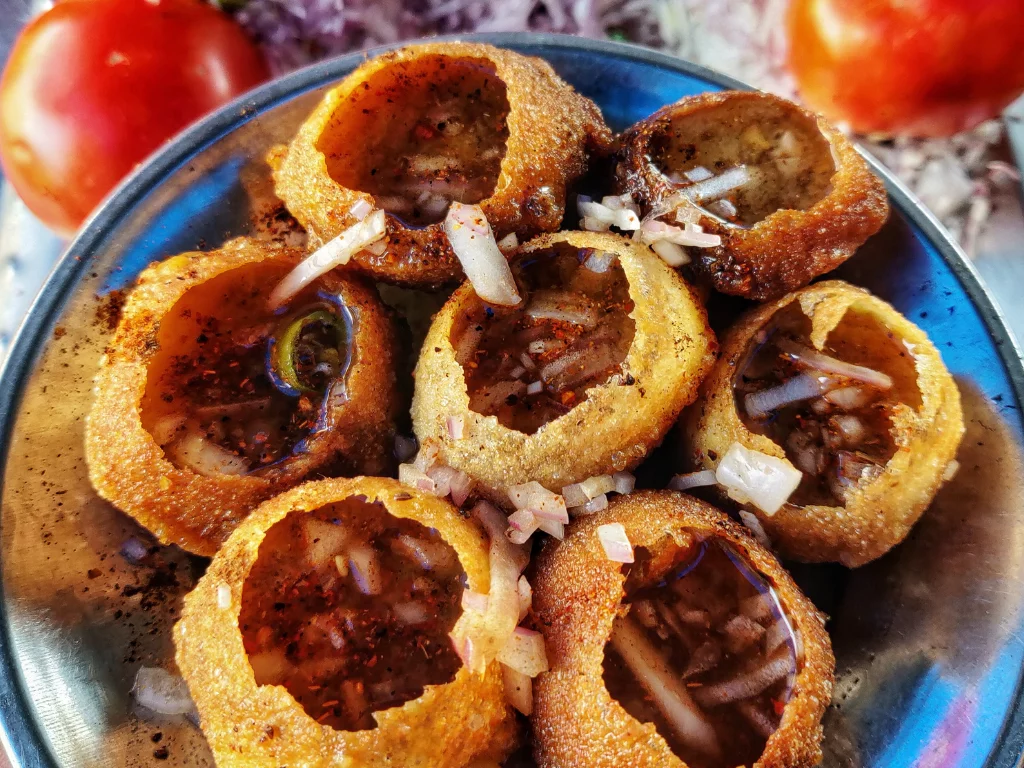
Panipuri is a good example of this. The small snack is a common street food in both India and Fiji, it is a small, round and deep-fried flatbread that can be filled with a variety of garnishes and fillings.
Although a basic food item to make, the variety of how this dish is served is far greater in India based on ingredients available than it is in Fiji. The dish is still a favourite for Fijians of Indian descent, very much taking its roots in India, but it has been adapted.
Comparison in Experience
Check out these videos below that display the thoughts of two Fijians of Indian descent as they articulate their feelings surrounding their first experience travelling to India.
Rajendra Prasad
In this interview, the author of the iconic book “Tears in Paradise” walks through his emotional experience travelling to India for the first time to complete his research and his work.
Ritzy Cupcake
This YouTuber is a Fijian of Indian descent and in this video she walks through her planning processes, her thoughts and feelings upon her first visit to India (listen out for the way she languages the differences!)