

Power Dynamics in International Development
In any international encounter, factors that influence the way in which information is given and received need to be considered. Power is an interesting subject on an international level, both Soft Power and Hard Power coming under analysis. A lot of this is related to topics covered in the sections ‘Saviourism‘ and ‘Development Theories‘ of this module, but understanding and coming to terms with the historical connotations that international exchange conjures up and that your involvement in an international project may naturally encompass is incredibly important.
This means that this discussion goes beyond the immediate action taking place within the international exchange itself and broadens to all aspects that create an underlying narrative.
Soft Power
In international relations, especially within international politics, the control of power and the means to control it is an important awareness point. One country’s will over the other, motivation to control power and ability to control a compromise all become important when thinking about how one may relate to the other.
The way we think about international power today is heavily influenced by the works of Joseph Nye. For Nye, power is defined as the ability to influence the behaviour of others to get the outcomes you want and within this. He proposed that there are generally two forms of power – hard and soft power.
Hard Power – the use of military and economic means to influence the behaviour or interests of other political bodies.
Soft Power – the ability to co-opt rather than coerce. In other words, soft power involves shaping the preferences of others through appeal and attraction.

Hard power is direct and it is demanding; war would be a form of hard power. Soft power is more subliminal and complex and can be wielded by any one in the international space – governments, businesses, NGOs, etc… The resources that allow a country to have weight in a Soft power exchange are proposed as “its culture (in places where it is attractive to others), its political values (when it lives up to them at home and abroad), and its foreign policies (when others see them as legitimate and having moral authority)” – Joseph Nye, The Future of Power. New York, 2011, p. 84.
Factors that Influence Power
There are many factors that affect how much power can be wielded by one country over another, how attractive aspects of one culture or values of one country are to another and particularly why. On this page, using Fiji as a case study, there are just a few that affect soft power and the intentional or unintentional use of it.
Colonialism
Colonialism has occurred throughout human history but became particularly prominent and much larger in scale from the 15th century, stemming from European empires. Many countries around the world have been subjected to this and such an event clearly affects internal identities and external manifestations of those identities.
What is colonialism?
“The policy or practice of acquiring full or partial political control over another country, occupying it with settlers, and exploiting it economically.”
Oxford Languages
‘Exploiting’ is an interesting word to explore here as it points to many of the power dynamics contained within colonialism.
Fiji’s Colonial Timeline
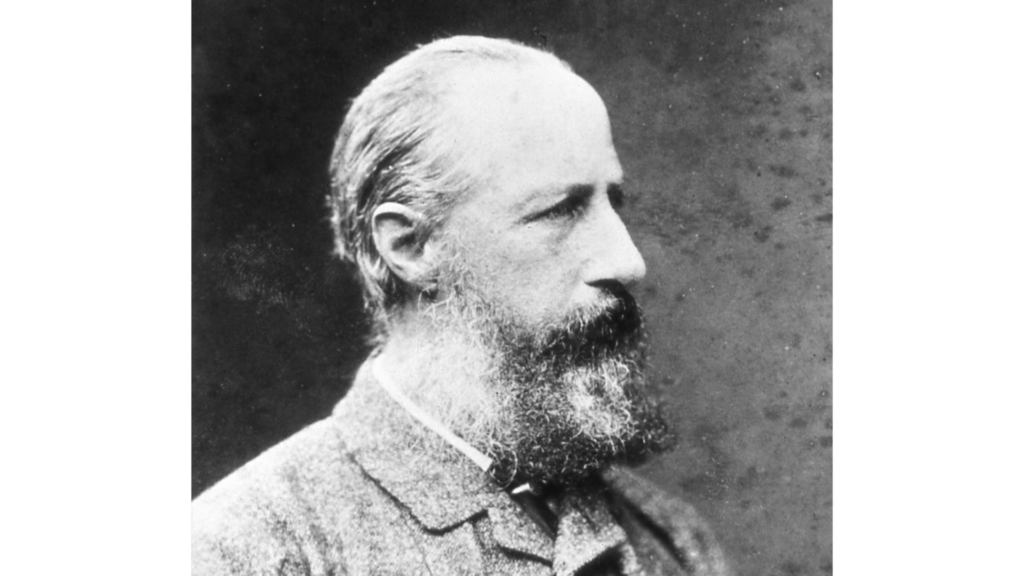
Fiji is a post-colonial country after being ceded to the queen in 1874 and gaining independence in 1970. This timeline has significant implications for the Fijian perspective and for how Fiji may interact with the world. Not only has this evidentially affected Fiji’s national identity on many levels, as a historical point, it also has huge impact on how Fijians see themselves in relation to others. See the link below to learn more about the political events that have taken place in Fiji from pre-colonial to the present.
Religious Narratives and Colonialism
This is a huge subject in its own right as with anything relating to colonialism, but as Fiji has an indigenous population of which 99% are confessing Christians, it becomes a very important topic to consider. One overriding narrative that is evident in religious language and societal rhetoric in Fiji is the idea of moving from the ‘dark‘ to the ‘light‘. This may be communicated in many aspects of life other than religion when associated with with colonialism as the language that often accompanies ‘dark‘ and ‘light‘ is ‘old‘ and ‘new;’ the old being very much pre-colonial and the new being what was brought by the missionaries, traders and eventually a colonial government.
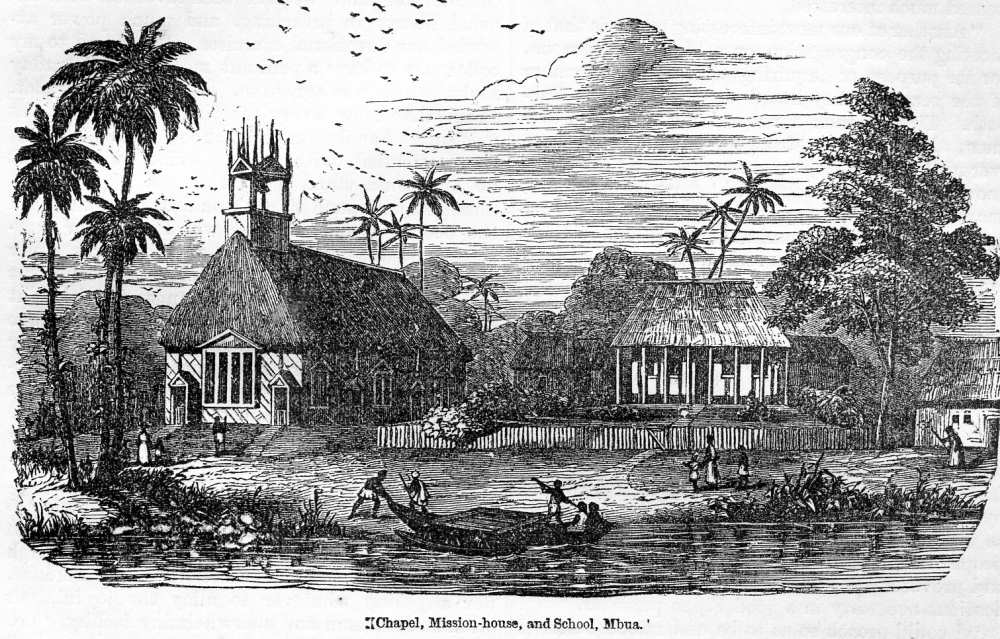
This is obviously not the whole case and is somewhat sweeping, as we have explored, history and identity is central to contemporary Fiji and is strong in living memory and cultural expressions, but how this comes into discussion with historically newer concepts is interesting. The movement from ‘dark‘ to ‘light‘ may be considered to be a positive in the Fijian perspective, cannibalism and tribal war being replaced by grace and new lifestyles. The protagonist in these stories are the white missionaries who possessed a ‘greater mana‘ and showed a better way and the chiefs who made the decisions to facilitate the change. It may point to aspects of cultural preference or thoughts of superiority.
Because of this, despite Fiji now being independent from the British empire, plenty of indigenous Fijian’s have a real soft spot for Britain and the West in general. How do you think this effects contemporary international relations and even your participation on project?
Some further reading if you can get your hands on…
V. Naidu, 1992. Fiji: Ethnicity and the post-colonial state. In Internal Conflict and Governance (pp. 81-102). Palgrave Macmillan, London.
S. Lawson, 2010. Postcolonialism, neo-colonialism and the “Pacific Way”: a critique of (un) critical approaches.
P.Q. Puamau, 2001. A post-colonial reading of affirmative action in education in Fiji. Race Ethnicity and Education, 4 (2), pp.109-123.
Neo-Colonialism
Colonialism is a hefty subject, one that is often talked about in historical terms, but many commentators will argue that there are many avenues where themes of colonialism persist in the contemporary world, distinguished in the term ‘neo-colonialism.’ Here’s a quick definition:
The use of economic, political, cultural, or other pressures to control or influence other countries, especially former dependencies.
Oxford Languages
To read more about this including some examples, have a click on the link below…
International Volunteering and Neo-Colonialism
International volunteering can often be accused of being a form of neo-colonialism, perpetuating power dynamics of ‘giver and receiver,’ keeping the host nation in a conceptual box of needing support through poverty aesthetics and generally at risk of supporting the idea of cultural superiority. This is the case when international volunteering is not conducted appropriately, but it does not necessarily have to be the case – see the other sections of this module to learn about how to avoid making this pitfall.
However, even when working within a more appropriate framework, there are many factors to consider when joining any international project. For example, simply the fact that you may be travelling from a Western country, or just generally an overseas country, will have a major significance in the way in which you may be viewed by people in a country in the ‘Global South’ and the way you interact with them. Consider how this may effect the Fijian perspective of you, how you may be treated differently and why. What does this mean for your conduct and your project?