

The Foundations of being an Effective Team Leader
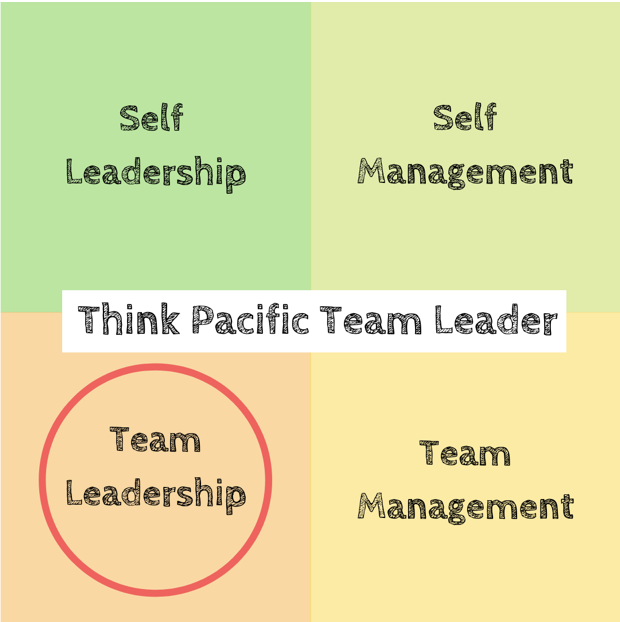
The 4 quadrants of effective leadership, don’t just relate to ourselves but also thinks about how we can develop our skills relating to other people. So, if self-leadership refers to influencing our own thinking, feeling and actions towards our goals, then team leadership is defined as…
“effectively directing and inspiring a group of people towards a shared goal or objective”
In other words, it’s putting our self-leadership into practise and extending it towards a group of other individuals. You will have to get your team to move past any differences and work together towards a common goal. All you then have to do is guide them towards achieving these. Just like self-leadership, there are many different ideas around the best way to do all of this. The 4 quadrants:
Leadership Styles
James MacGregor Burns was a political scientist who, after studying different politicians in America came up with the idea that there can be different leadership ‘styles’. While that sounds pretty obvious nowadays, he was the first person who illustrated that different people can ‘lead’ in very different ways. From his observations he described two core styles:

Transactional = leaders gain compliance by giving and withholding rewards.
Transformational = leaders focus on transforming their team to support each other and their shared vision.
It’s not that hard to guess which of those 2 styles Burns deemed more effective in the long run. Teams of transformational leaders tend to feel trust, admiration, loyalty and respect towards their leaders and are more willing to work hard towards their shared objectives or goals because of this. It really boils down to whether you are leading other people through obligation or empowerment – encapsulated in TP’s immortal leadership mantra: “ask don’t tell”.
People don’t know how much you know, until they know how much you care
Teddy Roosevelt
The 4 i’s of Leadership
Individualised Consideration
= The extent to which a leader attends to each team member’s individual needs – acting as a mentor, coach or guide to them
This really ties into emotional intelligence and personal connection. As a Team Leader, you have the responsibility for not only the projects running smoothly but also the personal care of individuals – and humans are messy, emotional creatures! Being a successful leader often revolves around the care that you show to each and every member of your team.
Applying this area to Team Leadership…
- Give each individual the space to open up and reflect often.
- Divide your time equally between all team members – don’t just spend time with the ones that you get on well with.
- Make extra effort with the team members you don’t connect to as easily.
- Understand that each team member has different strengths. Not everyone is good at everything and they may be nervous about certain parts of project.
- Get vulnerable! Pretending to be superhuman isn’t going to instil trust in your team, you have to show your human side too.
- Appreciate that everyone comes with baggage. If people are acting out, there may be a reason that you are not aware of.
Inspirational Motivation
= The extent to which a leader articulates a vision that inspires and motivates their team to strive beyond expectations
The memorable thing about an excellent leader is often their ability to inspire a group of people through their words and actions, even when things are tough or overwhelming. You don’t have to be a qualified motivational speaker – however you are going to have to address your team (be it all of them, or one of them) every single day. The presence you project when you are communicating is an important factor in establishing yourself as a leadership figure – we call this ‘holding the room’. For some people it comes naturally and for others it takes some work.

Applying this area to Team Leadership…
- Ensure your whole team can clearly see and hear you when delivering any information.
- Be mindful of your body language and eye contact when talking to team members.
- Thoroughly prepare for all briefings and meetings.
- Be honest when you don’t know the answer, your team will know when you’re pretending and it will decrease their trust in you.
- Have faith in your knowledge. Open up your body language. Look at everyone. Deliver with confidence. You don’t always have to be the loudest or funniest person in the room, but think of being a leader as a performance; you’re playing the part of a confident communicator.
Idealised Influence
= The extent to which leaders act as role models to their team by holding high standards of ethical conduct and thereby instilling trust and respect
This mechanism essentially refers to the way a leader exerts influence. In a leadership position, each and every choice you make has a ‘ripple effect’ that spreads out to every person around you. Therefore, your standards, energy and actions will in turn influence the other people’s standards, energy and actions. As a leader, you are a role model and your team will replicate the example that you set, so holding yourself to high ethical standards through personal integrity will build respect and trust – giving the ‘ripples’ a positive rather than negative impact.
Applying this area to Team Leadership…
- Be conscious and aware of your cultural standards at all times: the standard you set is the one your team members will strive towards.
- Don’t shy away from difficult conversations when they are necessary – you are in an authority position and ultimately responsible for the actions of your team.
- Hold yourself accountable for the energy you project to each person you interact with as this will ripple out to the people around you.
- Engage with the daily workshops & activities in a way you’d hope each volunteer and community member to do so, they will follow your lead.
Intellectual Stimulation
= the extent to which leaders challenge assumptions and help their team to think creatively to find innovative solutions
This final mechanism is not just about having the personal & professional confidence to challenge assumptions, but also fostering an environment of creativity and innovation in your team. Allowing your team and community to seek out new ways of doing things and opportunities to learn is integral to applying transformational leadership. Remember, knowledge is power, and knowledge comes from other people! Solicit ideas from others – be that your fellow leaders, your management team, or the team you are leading. Transformational leaders involve their teams in the decision-making processes and stimulate their efforts to innovate and identify solutions.

The standard you walk past is the standard you accept.
David Morrison
Some more resources…
Take a watch of the following videos and start to think about how you can continue to grow as a leader. You now know the basics of how to be an effective leader, but what can you do from this point onwards to keep building your skills? Which other leaders can you find for inspiration? How can you get your own leadership experience? Keep you learning hat on, prepare to be open and you’ll be amazed at where you can end up!