
An Introduction to Fiji
Fiji is an archipelago made up of some 333 islands in the South Pacific ocean, surrounding the Koro sea. The indigenous people of Fiji today are usually ethnically classified as Melanesian, although their social and political system is closer to that of Polynesia. Fiji is multicultural, and Fijians of Indian Descent comprise the second largest ethnic group in Fiji.
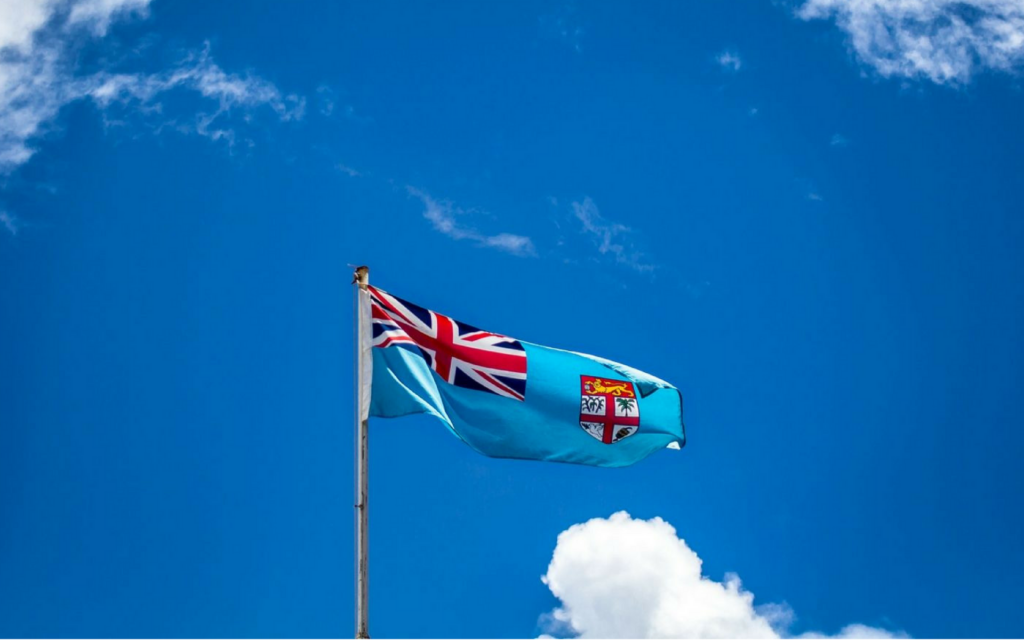
The Stats
- Full name of the country: Republic of Fiji
- Region: Australia-Oceania
- Nationality: Fijian(s) (noun), Fijian (adjective)
- Official language: English, Fijian
- Population: 926,276 (2018 est.)
- Population growth: 0.56% (2018 est.)
- Currency (money): Fijian dollar
- Land area: 18,274 sq km (7,056 sq miles)
- Time zone: UTC +12
- Capital: Suva (on Viti Levu)
- Independence: October 10, 1970 (from the UK)
- Government type: republic
- National anthem: “God Bless Fiji”, by Michael Francis Alexander Prescott/C. Austin Miles (Adapted by Michael Francis Alexander Prescott)
Fiji is an independent state after achieving independence in 1970, this independence caused a resurgence of patriotism which triggered a series of successful coups which led Fiji to become a republic. The country, as of the 2007 consensus indicated that indigenous Melanesian people accounted for 56.8% of the population and Indo-Fijians accounted for 37.5% (as a result of migrations that took place in the late 19th century) demonstrating a multi-ethnic and multicultural climate in Fiji today.
In rural areas, the traditional system of authority remains in a village setting, the majority of land still belonging to the tribes. A hierarchy of chiefs presides over villages (koro), sub-districts (tikina vou), districts (tikina cokavata), and provinces (yasana). Despite the host of influences Fiji has encountered in its recent history, a strong sense of culture and heritage remains and as is evident in their polity and way of life. This module deals with the origins and history, the concepts and the general depth and breadth of the cultural landscape in Fiji.
Before We Start…
A Guide to Standard Fijian Pronunciation
This is guide aims to help you learn how to pronounce words in the Fijian language before you encounter them in the rest of the sections. There are a few sounds that we do not have in English, but otherwise, the language is relatively straightforward to read, and once you’ve got to grip with the letter and phonics, just read the word how it looks.
a- æ (Gap)
e- e (Elephant)
i- i: (Free)
o- ɒ (Hot)
u- u: (Hoop)
g- ng (Hang)
q- ng (Anger)
b- mb (Bamboo)
d- nd (Hand)
t- ch (Child)
c- th (Feather)
ai- aɪ (Bite)
au- aʊ (House)
ei- eɪ (Bait)
eu- eu: (Eh-oo)
oi- ɔɪ (Boy)
ou- əʊ (Toe)
iu- i:u: (Ee-oo)
So… Bula (mboola), Gone (ngoneh), Cakobau (thakombau).
Get the idea? Then you’re ready to dive in and immerse yourself in the beautiful culture of Fiji.